
Toe pain commonly stems from trauma, infection, inflammatory or degenerative arthritis, nerve entrapment, or mechanical pressure. Onset, location, pain quality your mobile podiatrist, and signs like erythema, purulence, numbness, or joint swelling help distinguish causes. Minor localized injuries, mild sprains, and mechanical irritation often respond to rest, ice, elevation, protected weight bearing, footwear changes, and topical analgesics. Red flags include fever, severe swelling, exposed bone, vascular compromise, or progressive neurologic loss. Continued information explains specific diagnoses and targeted treatments.
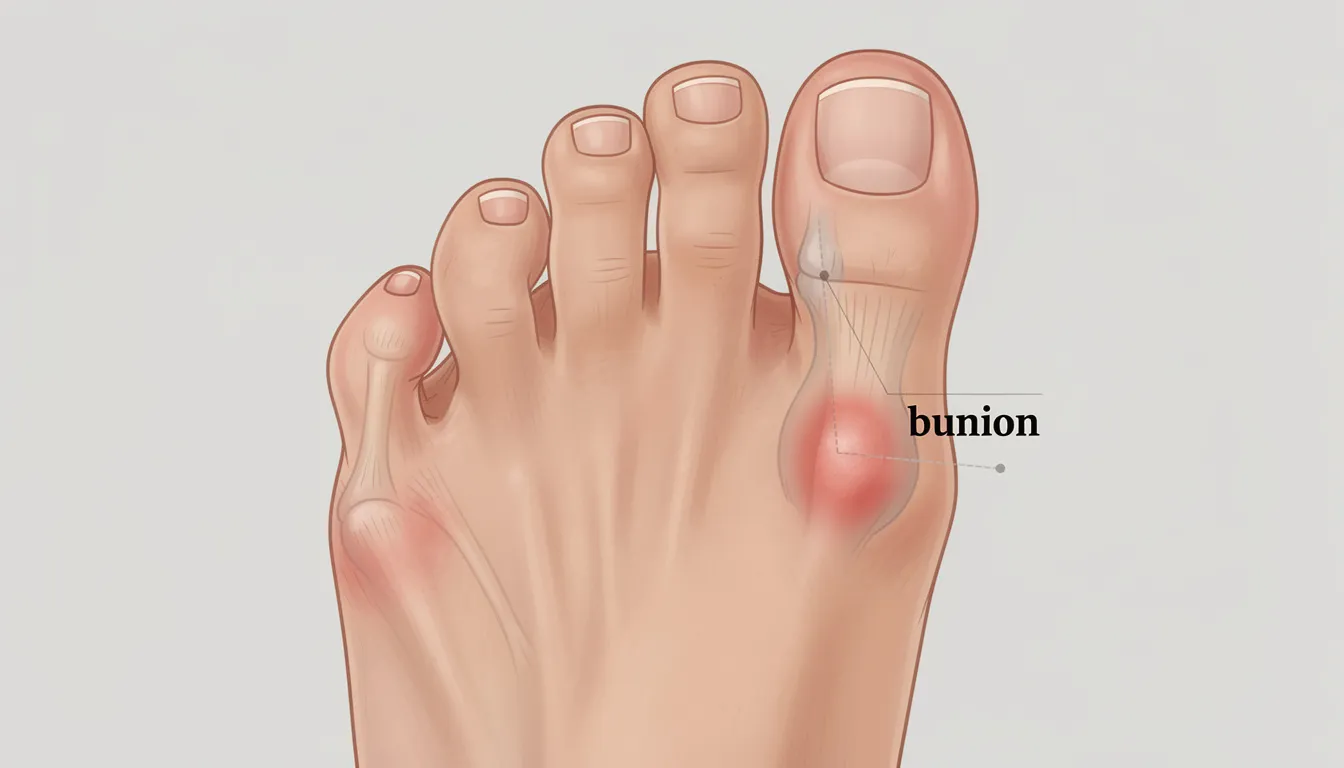
Common Toe Pain Causes and How to Tell Them Apart
Distinguishing common causes of toe pain requires systematic evaluation of onset, location, quality, and associated signs. The clinician evaluates trauma, infection, inflammatory arthropathy, neuropathy, and mechanical sources.
Ingrown toenail identification relies on focal pain at the nail fold People Podiatry, erythema, purulence, and granulation tissue; probing the lateral sulcus and evaluation nail curvature guides diagnosis.
Morton’s neuroma differentiation depends on forefoot interdigital pain, paresthesia, and a positive Mulder’s click; reproduction with compression between metatarsal heads supports nerve entrapment rather than joint or soft-tissue pathology.
Acute gout presents with sudden severe monoarticular pain and hyperuricemia, whereas osteoarthritis shows chronic stiffness and radiographic joint space narrowing.
Accurate history, focused exam, and selective imaging or lab tests enable targeted management and preserve mobility autonomy.
Symptoms That Mean Self‑Care Can Help (and Exactly What to Try)
After identifying probable causes through history and focused examination, clinicians can often determine when toe pain is amenable to conservative self-care rather than immediate procedural or pharmacologic intervention. Indicators include localized pain after minor trauma consistent with mild sprains, nonfluctuant localized swelling, preserved range of motion, absence of systemic signs, and focal pressure points from footwear or biomechanics.
Recommended measures: rest and activity modification, protected weight bearing or buddy taping for mild sprains, ice and elevation for 48–72 hours, analgesics as needed, and progressive mobilization with strengthening.
For mechanical lesions, simple interventions such as shoe modification, orthotic padding, and callus care including regular debridement and moisturization reduce focal pressure and discomfort. Follow-up is advised if symptoms persist.
Signs Your Toe Pain Needs a Doctor or Specialist
When toe pain is accompanied by red flags—marked swelling with tense skin, rapidly spreading redness, fever, inability to bear weight, severe or worsening pain despite self‑care, paresthesia or numbness, open wounds or exposed bone, suspected fracture after high‑energy trauma, or signs of vascular compromise (cool, pale, or pulseless digit)—prompt medical evaluation is indicated to prevent complications and guide urgent intervention.
Urgent assessment is also warranted for sudden swelling or new deformity after injury, persistent night pain that disrupts sleep, signs of systemic infection, or progressive sensory or motor loss.
Referral to a podiatrist, orthopedist, or vascular specialist should follow when imaging, wound care, surgery, antibiotic therapy, or vascular assessment may alter outcomes.
Documentation of onset, mechanism, and prior treatments facilitates efficient specialist triage.
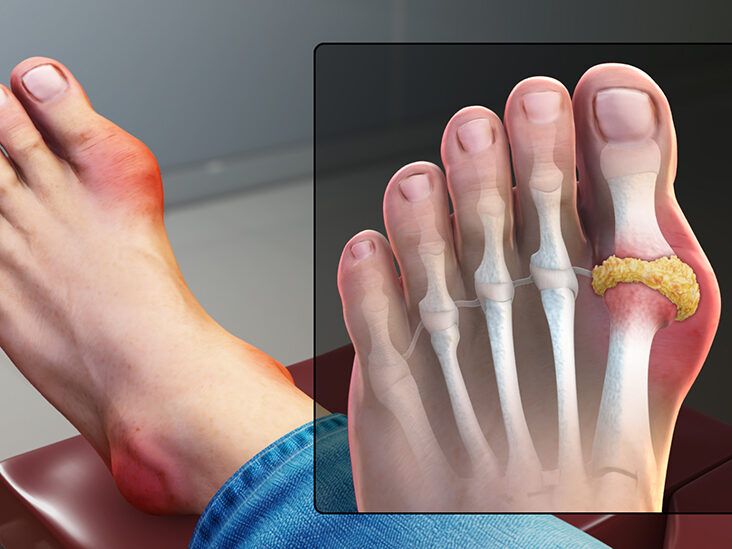
Footwear, Activity, and Home Fixes That Prevent Recurring Toe Pain
In the prevention of recurrent toe pain, targeted modifications in footwear, activity patterns, and simple home interventions can substantially reduce mechanical stress, pressure points, and inflammatory recurrence. Emphasis is placed on Proper sizing, toe box depth, and Material choice (breathable, cushioned insoles) to minimize shear and compression. Activity modification includes graded load progression, cross-training to limit repetitive toe stress, and scheduled rest. Home measures: toe spacers, silicone pads, ice after activity, and nightly stretching to maintain mobility. Evidence-based rationale: reducing focal pressure and microtrauma lowers recurrence risk. Table summarizes practical choices and intended effects.
| Intervention | Mechanism | Expected benefit |
|---|---|---|
| Footwear fit | Reduces compression | Less nerve/soft-tissue irritation |
| Material choice | Absorbs shock | Lower peak pressures |
| Activity pacing | Limits overload | Fewer recurrences |
Quick Treatment Options Your Clinician May Recommend
Modifications to footwear and activity can reduce recurrence, but acute or persistent toe pain often requires targeted, clinician-directed interventions to provide rapid symptom relief and prevent progression. Clinicians commonly recommend initial conservative measures: ice packs applied intermittently to reduce swelling, elevation, and short-term immobilization.
Pharmacologic options include topical NSAIDs for localized inflammation and oral analgesics for more generalized pain control, chosen based on comorbidities and interaction risk. Mechanical strategies may include toe splints or padding to correct alignment, offload pressure, and protect from shear forces during healing.
For infections or refractory inflammatory conditions, clinicians escalate to antibiotics, corticosteroid injections, or referral for surgical evaluation. Treatment plans emphasize shared decision-making to preserve function and patient autonomy while minimizing adverse effects.
Conclusion
Toe pain has multiple, often overlapping causes—mechanical, inflammatory, infectious, and neurologic—that require targeted evaluation. Mild, acute symptoms without systemic signs often respond to off‑loading, appropriate footwear, topical care and brief activity modification. Red flags—progressive deformity, persistent severe pain, infection, vascular or neurologic compromise—warrant timely clinical assessment and imaging or specialist referral. Early identification and evidence‑based interventions reduce chronicity and functional loss, improving outcomes and preventing recurrence.