
This article delves into the scientific exploration of cold plunge therapy as a potent adjunct to exercise for accelerated muscle repair.
We analyze the physiological mechanisms involved, benefits, and practical ways to incorporate this technique into your fitness regimen.
Drawing from credible research and real-life testimonials, this comprehensive guide illuminates the pathway to enhanced recovery and freedom from prolonged muscle soreness.
:max_bytes(150000):strip_icc()/GettyImages-1595492534-60668d30d93d4022914f2de3d8da3747.jpg)
Understanding Cold Plunge Therapy
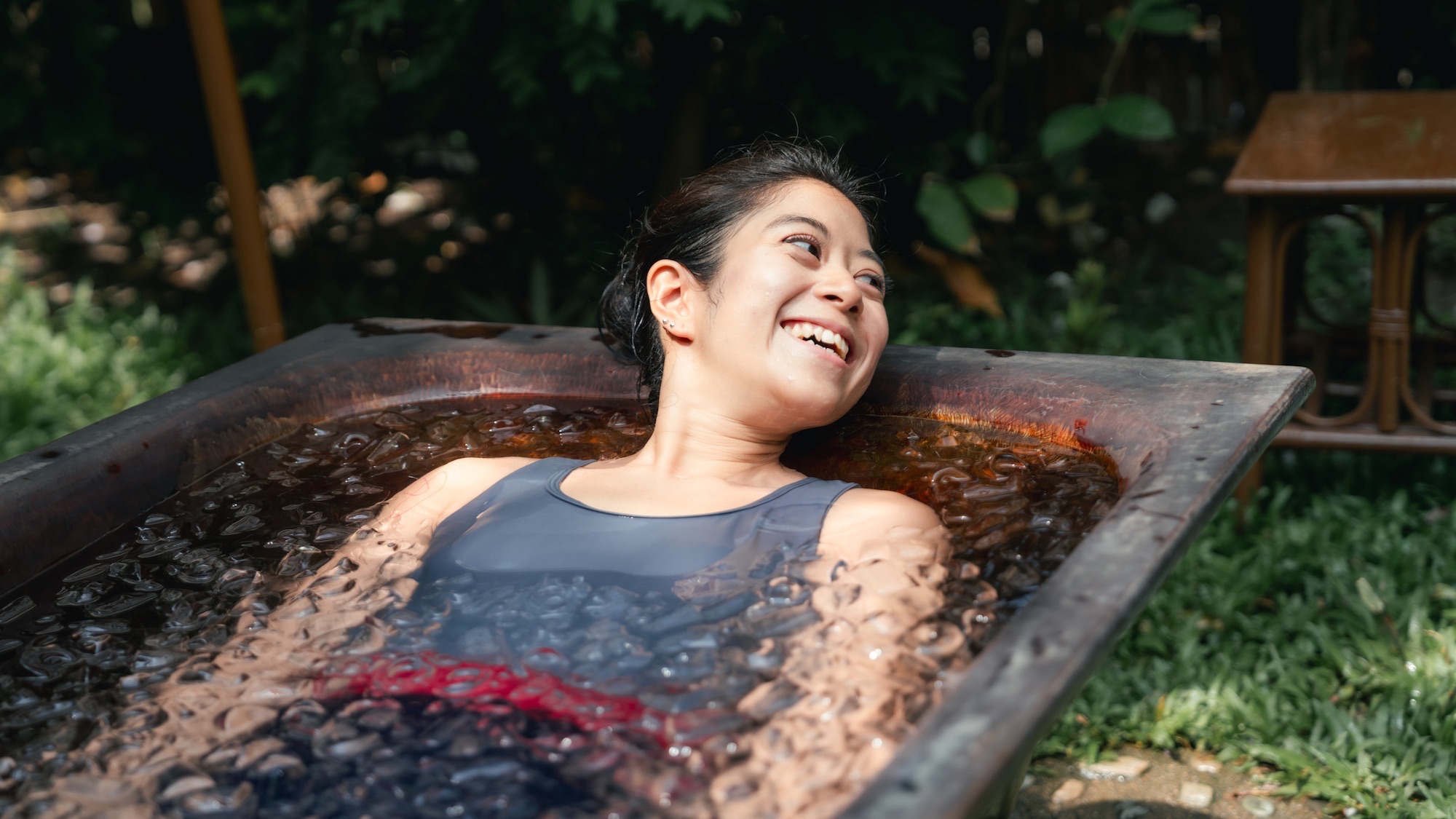
What exactly is cold plunge therapy, one might ask? Cold plunge therapy, also known as cold water immersion or cryotherapy, is a technique that involves submerging the body into cold water, typically around 50-59°F (10-15°C), for a short period of time.
This is not a newfangled trend, but a practice rooted in centuries-old traditions across numerous cultures. It’s believed to engender a range of health benefits, including reduced inflammation, improved circulation, enhanced mood, and faster muscle recovery.
In the context of exercise, the muscle-damaging effects of intense physical activity often result in inflammation and delayed onset muscle soreness (DOMS). Cold plunge therapy is employed to accelerate the body’s natural recovery process. It is suggested that the cold temperature constricts blood vessels, reducing blood flow and thus inflammation. Once the body is removed from the cold environment, the blood vessels dilate, increasing blood flow and the delivery of nutrients and oxygen to the damaged muscles. This process is believed to promote faster muscle repair and recovery.
Thus, understanding cold plunge therapy is pivotal for individuals seeking to optimize their exercise regimen and harness the freedom of improved physical wellness.
The Science Behind Faster Muscle Repair
The physiological mechanisms that drive faster muscle repair involve complex processes, primarily associated with the body’s inflammatory response and protein synthesis. When muscle tissue is strained during exercise, microscopic damage triggers inflammation, a necessary part of the healing process. However, excessive inflammation can delay recovery. Cold plunge therapy, by facilitating vasoconstriction, helps reduce this inflammation, thus accelerating muscle repair.
The second facet of muscle repair involves protein synthesis. Exercise stimulates muscle protein synthesis (MPS), a natural mechanism for repairing and strengthening muscle fibers. However, MPS alone cannot outpace the muscle protein breakdown (MPB) that also occurs during exercise. The key to effective muscle repair lies in creating a positive protein balance, where MPS exceeds MPB. This is where nutrition, specifically protein intake, plays a vital role. Supplementing exercise with optimal protein consumption can stimulate MPS, favorably tipping the balance and facilitating faster muscle recovery.
In essence, the science of faster muscle repair lies in managing inflammation and promoting protein synthesis. By strategically combining cold plunge therapy with exercise and proper nutrition, one can optimize these physiological processes, potentially accelerating muscle repair and enhancing overall physical performance.
Benefits of Exercise and Cold Plunge
Integrating exercise with cold plunge therapy offers numerous benefits, including accelerated muscle recovery, reduced inflammation, and improved physical performance. The combination of these two elements can optimize the body’s ability to heal and rejuvenate.
Through exercise, muscle fibers break down and create micro-tears. As part of the body’s response, inflammation occurs to protect the area and start the repair process. Cold plunge therapy can enhance this process. The cold exposure constricts blood vessels, reducing inflammation and pain. Once out of the cold, the blood vessels dilate, increasing blood flow. This cycle accelerates the removal of waste metabolites from the muscles, aiding speedy recovery.
Moreover, the cold plunge stimulates the production of norepinephrine, a hormone that improves focus and mood. It also enhances the body’s ability to adapt to stress over time, resulting in improved resilience and performance. Additionally, it boosts metabolic rate, promoting fat loss and overall fitness.
How to Incorporate Cold Plunge Into Workout
Begin your workout regimen with a cold plunge by following a set of recommended steps to maximize its effectiveness and benefits. To incorporate this technique into your routine, start with a warm-up exercise to increase your body temperature and prepare your muscles for the plunge. After your workout, when your muscles are still warm and flexible, immerse yourself in a pool of cold water, ideally between 10 to 15 degrees Celsius. This sudden exposure to cold temperature should last for a minimum of 10 minutes to allow the cold to penetrate your muscles and promote recovery.
It is crucial to monitor your body’s response during the plunge in order to avoid hyperthermia. Always ensure that you are well-hydrated and nourished before and after the plunge. Incorporating this method into your workout routine may be challenging at first, but it is a proven way to expedite muscle repair, reduce inflammation, and improve overall athletic performance.
Ultimately, the freedom to modify your workouts according to your body’s needs and capabilities is essential. The cold plunge is not for everyone, but with careful planning and gradual introduction, it can become an advantageous part of your fitness journey.
Real-life Testimonials and Success Stories
Over the years, numerous athletes and fitness enthusiasts have reported significant improvements in their recovery times and overall performance as a result of incorporating a cold plunge into their exercise routines. The testimonies, derived from a wide spectrum of sports disciplines, unanimously point towards the efficacy of cold exposure post-workout.
One such testimony comes from a marathon runner who found that after incorporating cold plunge therapy into her training regimen, she could bounce back to training more quickly post-race. The reduction in muscle soreness and inflammation was a significant benefit, accelerating her recovery process and enhancing performance.
Another case study involves a professional weightlifter who used cold plunge as a part of his routine. He reported enhanced muscle repair, decreased fatigue, and increased endurance. The cold plunge therapy played a vital role in his success, enabling him to train harder and recover faster.
Such real-life testimonials provide compelling evidence of the benefits of combining a cold plunge with regular exercise. They underscore the potential for improved recovery times, less muscle soreness, and enhanced athletic performance, underlining the inherent freedom offered by this holistic, natural approach to muscle repair and revitalization.
Conclusion
In conclusion, the integration of exercise and cold plunge therapy significantly expedites muscle repair, enhancing overall physical performance.
This is informed by scientific facts that highlight the benefits of cold plunge therapy on muscle inflammation and recovery.
The practical applicability of this technique is further evidenced by real-life testimonials.
Incorporating cold plunge into workout routines thus emerges as a highly effective strategy for promoting faster muscle repair.