In Kuala Lumpur and throughout Malaysia, funeral services reflect a blend of traditions and beliefs unique to various cultures. From the swift Malay Muslim burials to the extended Chinese wakes funeral service, each community has its own customs. Understanding these practices is essential for families maneuvering the complexities of arranging a funeral. With so much to ponder, including costs and cultural sensitivities, it’s important to explore what options are available to guarantee a respectful farewell.
Understanding Funeral Customs in Malaysia
When someone passes away in Malaysia, families often follow a blend of cultural and religious customs that reflect the country’s diverse heritage.
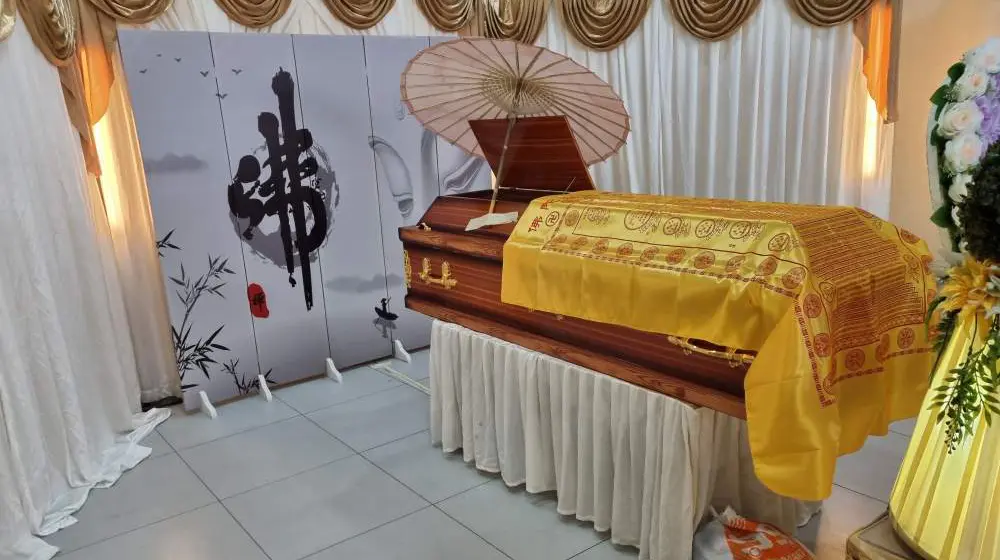
Traditional rituals vary widely among the different communities, with each group honoring their unique beliefs and practices. For instance, the Malay community may hold a “tahlil,” a gathering for prayers, while the Chinese often conduct a “wake” filled with specific rites to guide the deceased’s spirit.
Grief expressions manifest in various forms, from loud wailing to quiet reflection, depending on the cultural context. Families may also wear specific colors Hong En Life Funeral service, further symbolizing their mourning.
Through these customs, individuals honor their loved ones and find solace in shared traditions, creating a profound sense of connection amidst the pain of loss.
Types of Funeral Services Available in Kuala Lumpur
In Kuala Lumpur, families can choose from a variety of funeral services that cater to different cultural and religious needs. Many opt for traditional burial options, which provide a serene resting place for their loved ones.
These services often include grave digging, casket selection, and memorial arrangements that honor the deceased’s life and beliefs.
On the other hand, cremation services are also widely available, offering a more modern approach to honoring the departed. Families can select from various urn styles and memorial ceremonies that reflect their personal preferences.
With these choices, families in Kuala Lumpur can tailor the funeral experience to best fit their values and desires, ensuring a meaningful farewell to their loved ones.
Cultural Considerations in Funeral Arrangements
Understanding cultural considerations is essential for families planning funeral arrangements in Kuala Lumpur and Malaysia. Various cultural practices shape how people honor their loved ones, reflecting the diversity in religious beliefs across the region.
For instance, Malay Muslims typically perform a simple burial quickly after death, while Chinese families may host elaborate ceremonies that last several days. Each cultural background brings unique rituals, such as prayers, offerings, or specific mourning attire, which can greatly impact the overall arrangements.
Families should be mindful of these practices to guarantee that the service aligns with their loved one’s values and beliefs. By respecting these cultural nuances, families can create a meaningful farewell that honors their heritage and provides comfort to those grieving.
The Role of Funeral Directors and Service Providers
Funeral directors and service providers play an essential role in guiding families through the complexities of funeral arrangements in Kuala Lumpur and Malaysia. They offer invaluable support during a difficult time, ensuring that every detail aligns with the family’s wishes and cultural practices.
Director responsibilities include coordinating logistics, managing paperwork, and providing emotional support, allowing families to focus on honoring their loved ones. These professionals also assist in funeral planning by recommending appropriate services, venues, and products.
Their expertise helps families navigate the myriad choices, ensuring a meaningful and respectful farewell. By fostering open communication and understanding, funeral directors empower families, providing them the freedom to create personalized tributes that reflect their loved ones’ lives and legacies.
Planning a Funeral: Steps to Follow
When planning a funeral, it’s essential for families to approach the process with both sensitivity and organization.
First, they should consider pre-funeral arrangements, which involve choosing a suitable venue, selecting a casket or urn, and deciding on the service type.
Next, families need to gather important documents and guarantee that they communicate their loved one’s wishes clearly.
It’s also critical to involve immediate family members in discussions, fostering openness about emotions and preferences.
Grief management plays a significant role during this time; families should prioritize their emotional well-being by seeking support from friends, counselors, or support groups.

Costs and Financial Considerations
One key aspect families face during funeral planning is the costs and financial considerations involved. Funeral expenses can vary widely, influenced by factors like service type, location, and additional offerings.
Families often find themselves maneuvering through these costs while managing emotional stress. It’s vital to engage in thorough budget planning to guarantee they’re aware of all potential expenses, from basic services to caskets and memorial options.
Taking the time to outline a clear financial plan helps families avoid unexpected burdens, allowing them the freedom to focus on honoring their loved ones. By researching different providers and understanding their pricing structures, families can make informed decisions that align with their financial capabilities while still securing a meaningful farewell.
Support Resources for the Bereaved
While traversing the grief that follows a loss, individuals often seek support resources to help them cope. Grief support groups offer a safe space for the bereaved to share their experiences and emotions, fostering connection and understanding.
Many organizations provide bereavement resources, such as hotlines and online forums, where individuals can find guidance and comfort. Local communities may host workshops or counseling sessions, allowing participants to learn effective coping strategies.
Additionally, faith-based organizations often extend support to those in mourning, providing spiritual solace. It’s essential for the bereaved to explore these options, as reaching out can ease the pain and create a sense of belonging during a challenging time.
Embracing these resources empowers individuals on their healing journey.
Conclusion
Maneuvering funeral services in Kuala Lumpur and throughout Malaysia can be a complex yet meaningful experience. By understanding the diverse customs, types of services, and the role of funeral directors, families can honor their loved ones in a way that resonates with their cultural values. With careful planning and consideration of costs, families can guarantee a respectful tribute that supports their grieving process. Ultimately, the community offers various resources to help the bereaved find solace during this difficult time.
…




:max_bytes(150000):strip_icc()/GettyImages-1595492534-60668d30d93d4022914f2de3d8da3747.jpg)